Porphyria: The Vampire Disease

And this explains, that those supernatural, blood drinking ‘vampires’ from the werewolf – vampire folklores of the 20th century, were perhaps humans suffering from a rare genetic disorder – Porphyria.

Porphyria comes from the word ‘Porphura’ meaning Purple pigment. So, how this disease is related to the purple pigment and more so, why is it known as the Vampire disease?

Porphyria is related to Porphyrins – a chemical produced by Healthy Human body, that is somewhat purple in color. And the absence of this, leads to the dreaded vampire disease. porphyria-inrtro

Continue reading “Porphyria: The Vampire Disease”

Heavy Metal Poisoning – 6 Most Toxic Elements to Human Health

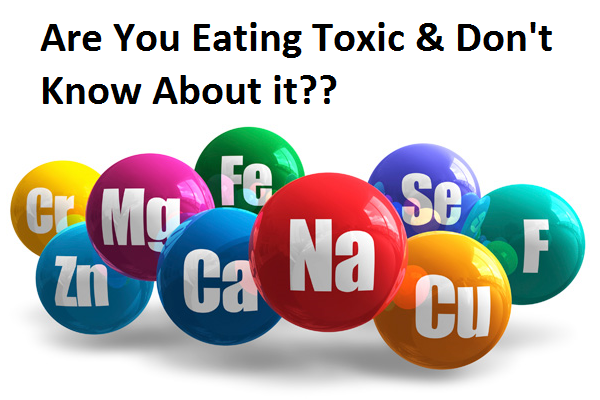
Metals that have high atomic weight, with a density five times greater than that of water, are grouped together as heavy metals. Heavy metal poisoning or toxicity relates to all harmful effects that can be brought about by these metals, posing huge danger to human health and the environment as a whole.

Not all heavy metals are menacing. It is only the inappropriate presence of these metals in body that prove detrimental to our health. Heavy metal poisoning greatly relates to metals such as; cadmium, arsenic, mercury and lead. However, there are a number of other heavy metals and metalloids that prove equally hostile to our physical or mental well being.  A few of them have been listed in later sections.

Elemental Toxicity

Heavy metals can find their way into our body via ingestion, inhalation and absorption through skin. Thereafter, they inhibit normal functioning of body’s metabolism, leading to variety of disorders and diseases.  Continue reading “Heavy Metal Poisoning – 6 Most Toxic Elements to Human Health”

Blood Cancer – Types, Symptoms and Treatment

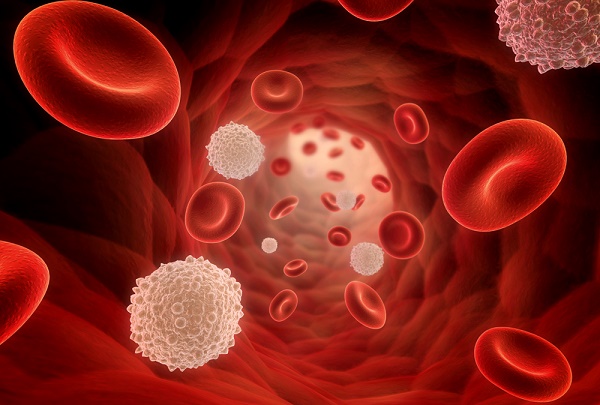
Human blood comprises of four essential components – plasma, red blood cells (RBCs), white blood cells (WBCs) and platelets.

All RBCs, platelets and most of the WBCs are generated in the Bone Marrow; which is present as soft tissues, deep inside bones. Two essential types of white blood cells – T cells and B Cells, that are together known as lymphocytes are also produced and then mature in the lymph nodes as well. Plasma, on the other hand constitutes 55% of total blood volume and holds all blood cells in suspension.

What is Blood Cancer

Both the bone marrow and lymph nodes form primary and secondary organs of lymphatic system respectively. Lymphatic system is again an essential part of the circulatory system.

Any cancerous growth affecting blood, bone marrow or the lymphatic system is termed as blood cancer. Continue reading “Blood Cancer – Types, Symptoms and Treatment”

Pineal Gland aka Third Eye: Where Mysticism Meets Science!

Over the years, humans evolved to reach this anatomy and physiology of which we are so proud today. During this journey of evolution and betterment, humans – the only rational animals on planet, witnessed series of changes in their lifestyle; starting from the stone age to today’s digital era.

As our lifestyle kept changing, so did our anatomy. The organs and body parts that have been used throughout, still exist; while those that had a declining functionality have lost their importance and thus termed as Vestigial Organs. what-is-pineal-gland

However, the answers to changing anatomy did not come up as easily as we can state them today. It took years of research and study to reach befitting answers that could satiate curious minds and nullify fallacies that were held strongly by people. As for instance, it was only around the mid 20th century, that our scientists could come up with some factual concepts related to our Pineal Gland; that was wrongly thought to be a vestigial organ.  Continue reading “Pineal Gland aka Third Eye: Where Mysticism Meets Science!”

Osteoporosis – Even Sneezing could Break Your Bones!

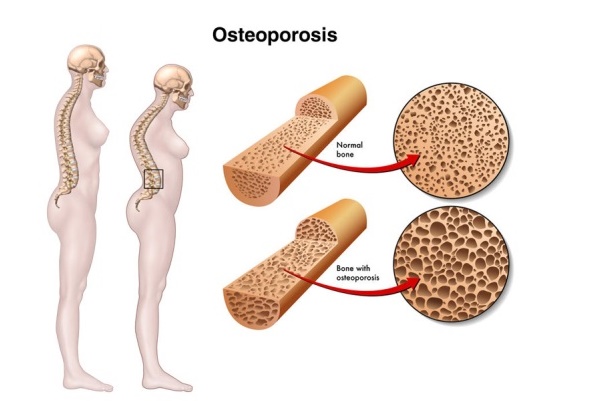
Yes you read it right. Many doctors overseas, are afraid, that if osteoporosis is not taken care of at an early stage, it may lead to severe conditions. Some doctors even claim that a simple act of sneezing or coughing could lead to broken bones.

osteoporosis-treatment-in-India

And yes, this is not something specific to the West alone. If Osteoporosis is left undiagnosed and untreated for long, anybody living in any part of the globe, can become prone to such severe medical condition.

What is Osteoporosis?

Continue reading “Osteoporosis – Even Sneezing could Break Your Bones!”

Malnourished India – Know it to Fight it

Hunger and malnutrition are often used interchangeably. However, starvation is simply one side of the story. Malnutrition is a condition where the body is unable to derive accurate quantity of nutrients from the food intake. And this inaccuracy necessarily does not mean lower than required levels alone; it can also suggest higher than acceptable range.

Malnutrition has been classified under two segments, namely – Under nutrition and Over nutrition.

  • Under nutrition: A condition where the body does not receive sufficient amount of nutrients from food. 
  • Over nutrition: A condition where the body receives excess nutrients from the food intake.

Out of the two, under nutrition is more talked about and prevalent in India and other developing countries. Affluent countries on the other hand, have a large population suffering from over nutrition too.

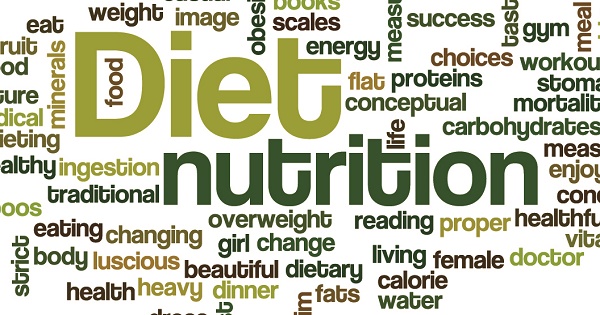
Nutrition

Indian Medical experts are definitely having a tough time solving this burning issue of hunger, leading to under nutrition. It is a grave misfortune that infants and children constitute a major portion of malnourished India. Continue reading “Malnourished India – Know it to Fight it”

Brain Hemorrhage – Types, Causes and Prevention

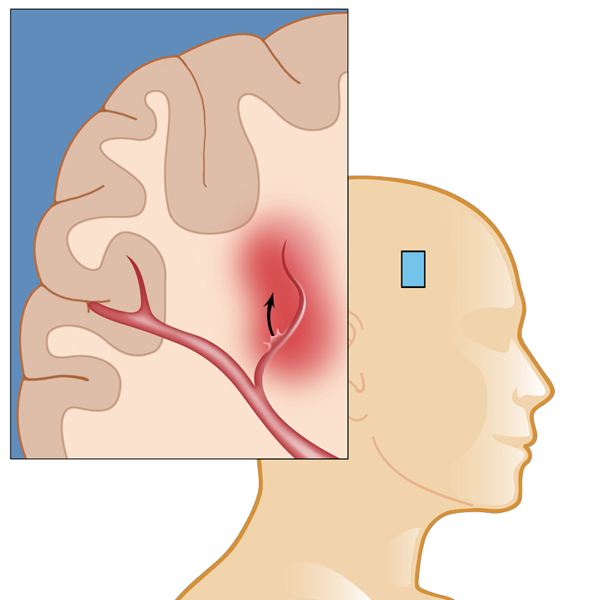
Brain Hemorrhage – a fatal medical condition leading to uncontrolled bleeding within the brain or anywhere between brain and skull. The term Hemorrhage is derived from Haemorrhagy – an obsolete term meaning ‘blood burst.’

Hemorrhage or blood burst can be internal or external. With regards to brain, it is always internal and depending on the location inside the skull. Depending on this location, there are different types of brain hemorrhages discussed later.

brain-hemorrhage-in-India

Bleeding brain can have multiple reasons behind. However, very recent reports suggest that some drugs that are frequently being used to treat common cold and cough may sometimes lead to Brain Hemorrhage! And that’s not all, reports also suggest that children are more susceptible to such life threatening conditions.

So if your 3 years old is complaining of a severe headache or dizziness while on cold medicines, don’t wait for cough drugs to improve conditions. Who knows they may even work otherwise and cause Brain hemorrhage! EERIE….  Continue reading “Brain Hemorrhage – Types, Causes and Prevention”

Testing for Allergies – Things you must know

While spending some time in a yard filled with flowers can be one of the most soothing experiences for many; it can cause a severe bout of sneezing for few! Again, if by any chance you have a pet at home, you will definitely second the fact that a hug from your pet can wipe off the day’s fatigue, isn’t it? However, no matter how incredible it may appear to you, there are people who suffer from serious skin rashes each time they are in a close proximity with animals.
allergy-test-in-India

Again, you may have come across people who count on peanut butter as one item that can turn a meal into a heavenly supper experience. And perhaps for you it can be a nightmare!

Well, definitely it is not those beautiful flowers in your garden or the loving animals at home who are being a little biased with you or anybody with a similar experience. Here, we are talking about one of the greatest medical mysteries – Allergies that relate to your own immune system.

Now, there can be an endless list of things that you may want to know about allergies, their types, causes, treatments and diagnosis. Therefore, without much ado, let us proceed to further sections that may suffice all your queries and perhaps provide you something more!

Allergies – Knowing the “What” and “WHY”

Continue reading “Testing for Allergies – Things you must know”

What’s CRP (C-Reactive Protein) test?

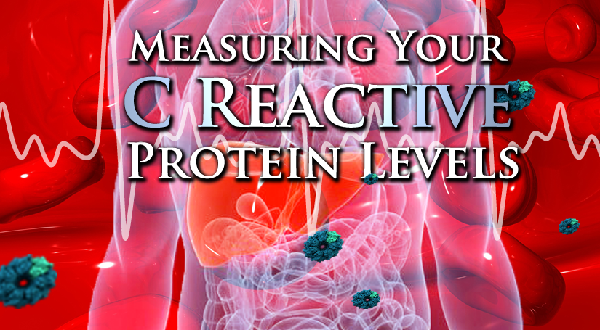
C – Reactive Protein, abbreviated as CRP is one of the types of acute phase proteins produced by the liver. It is normally absent in blood and is only released in the blood within few hours after the onset of some kind of acute infection, tissue injury, or any other reason that is causing inflammation.

Untitled

Inflammation experienced on body surface (fever, swelling, redness, etc.) is nothing but a generic response of tissues towards pathogens, injured cells or any other irritant. Inflammation in itself is not a disease or ailment. However, inflammation can suggest the presence of numerous disorders or diseases within the body.

To detect such inflammation and the presence of abnormal CRP content in blood, a CRP blood test is conducted. This test signifies a number of underlying deadly diseases; such as kidney failure, arthritis, pancreatitis, cardiac disorders etc.

Why is it important to opt for a CRP test? Continue reading “What’s CRP (C-Reactive Protein) test?”

Decoding Pathology Test Results

Pathology – a medical branch that aims at laboratory testing of body tissues and fluids to determine diseases; their causes, nature and relevant treatments.

Pathology reports govern more than half of the treatment procedures and the accuracy of these reports determine the effectiveness of therapies administered. Therefore, careful interpretation of pathological reports is crucial.

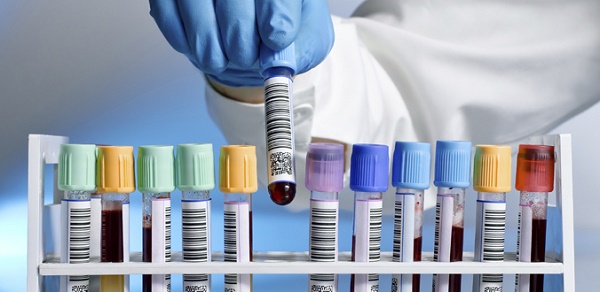
Medical-Hospital-Lab-medifee (1)

How does a pathological report look like?

A pathologist generates a report after blood/urine/tissue or any other body fluid sample testing and analysis. Every lab however has different terms and procedures for writing pathological reports.  Continue reading “Decoding Pathology Test Results”